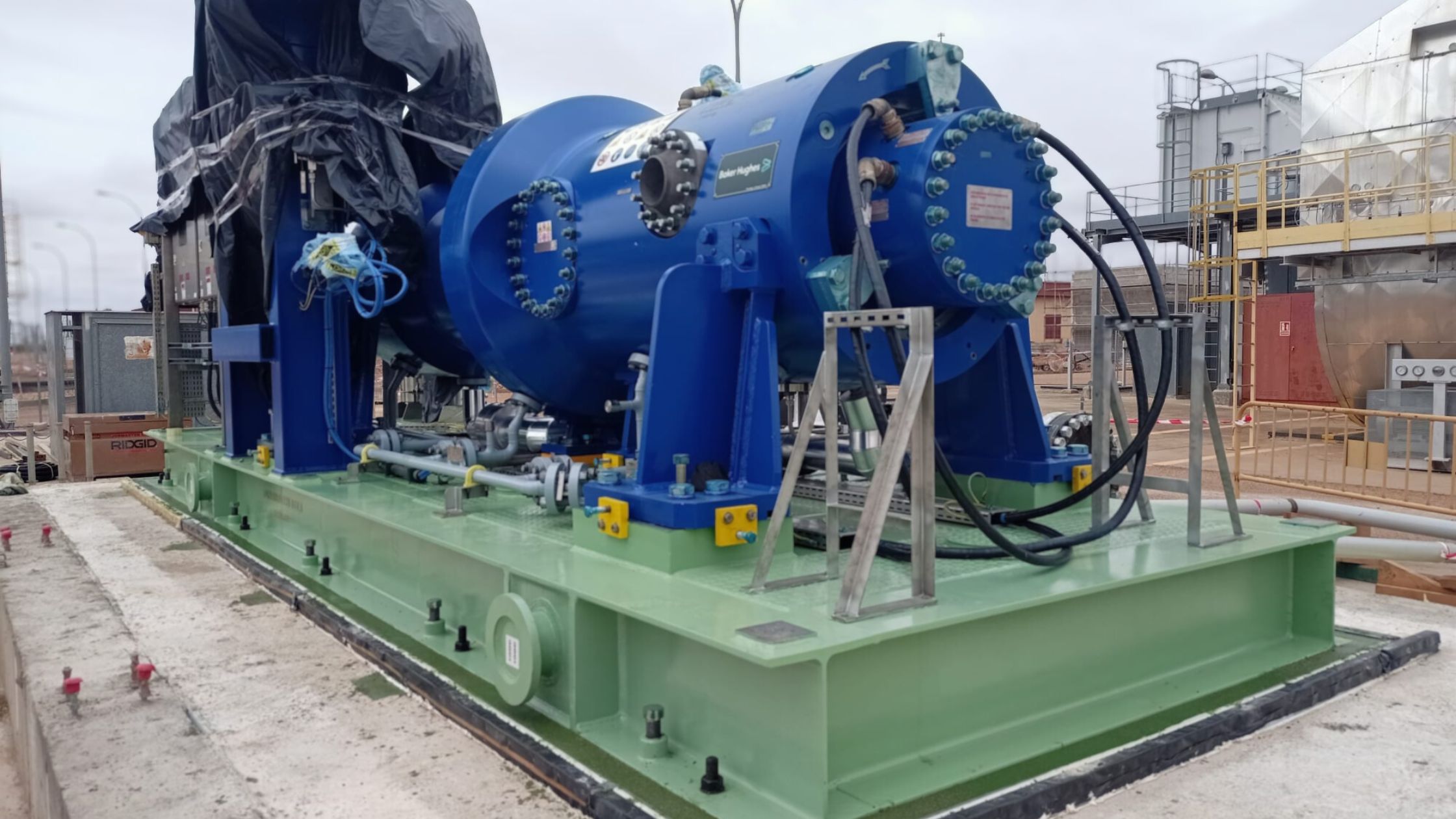
When most people think about mounting machinery, they picture anchor bolts, base plates, and torque wrenches. But here’s what 30+ years of foundation work has taught us: the mounting machinery process actually begins long before anyone picks up a wrench.
The difference between machinery that runs smoothly for decades and equipment that vibrates itself into early failure often comes down to what’s happening beneath those anchor bolts. Let’s walk through what proper machinery mounting actually looks like and why shortcuts in the process cost far more than they save.
The Real Mounting Machinery Process: It Starts Below Ground
Mounting machinery isn’t a single event. It’s a sequence that has to happen in the right order, with the right materials, or everything that follows will be compromised.
Foundation preparation comes first. The concrete foundation needs to be level, clean, and free of any contaminants that could prevent proper bonding. We’re talking about oil, grease, laitance (that weak surface layer on concrete), or loose aggregate. Many machinery mounting failures start here. Someone skips the proper surface prep because they’re in a hurry, and the grout never achieves the bond strength it needs.
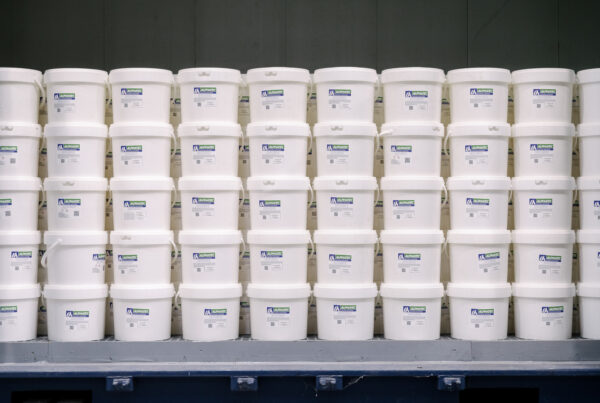
Grout selection and placement is where most operations either get it right or set themselves up for problems. The grout needs to be specifically engineered for machinery foundations, not just any concrete mix or general-purpose grout. High-strength epoxy grouts like those used in precision installations provide the uniform support and vibration dampening that rotating and reciprocating equipment demand. See our blog on the difference between epoxy grout and cement grout here.
The placement itself requires precision. Air pockets, inconsistent thickness, or gaps in coverage create stress concentrations. And when that machinery starts operating under load, those weak points become failure points.
Anchor bolt installation follows the grout cure. Here’s where people often get the sequence wrong. They want to tension the bolts before the grout has reached adequate strength. The result? Cracked grout, uneven load distribution, and a foundation that’s already compromised before the equipment even runs.
Alignment and leveling happen throughout this process, not just at the end. Machinery mounting isn’t “set it and forget it”, it requires constant verification that everything remains within specification as each step progresses.
What Happens When Mounting Machinery Goes Wrong
The consequences of improper machinery mounting don’t always show up immediately. Sometimes they take weeks or months to appear, which makes it harder to trace problems back to their source.
Excessive vibration is the most common symptom. Vibration can result when machine shafts are out of line. When machinery isn’t properly supported across its entire base, it shifts and moves under operational loads. That movement creates vibration, which accelerates wear on bearings, seals, couplings, and every other component in the system.
Misalignment develops as the foundation degrades or shifts. Even minor misalignment—we’re talking thousandths of an inch—can drastically reduce equipment life and increase energy consumption.
Foundation deterioration accelerates when the grout or concrete beneath the machinery begins to crack or crumble. Dynamic loads that should be evenly distributed across the foundation instead concentrate in certain areas, creating a degradation cycle that only gets worse.
Unplanned downtime is the ultimate cost. When mounted machinery fails, it’s rarely a convenient time. Production stops, emergency repairs begin, and the scramble to get back online often leads to temporary fixes that just postpone the real solution.
The Foundation Assessment Difference
Here’s what separates a proper machinery mounting project from a “good enough” installation, it starts with understanding what you’re actually mounting.
Different equipment creates different foundation demands. A reciprocating compressor generates entirely different forces than a centrifugal pump or a turbine generator. The foundation and mounting system need to be engineered for those specific loads, not just built to a generic specification.
Existing foundations often need rehabilitation before new equipment goes in. Decades of operation, previous repairs, or changing equipment specifications mean that foundation isn’t starting from a clean slate. And identifying and addressing those issues before mounting new machinery prevents inheriting old problems.
Modern foundation analysis goes beyond visual inspection. Technologies like motion amplification can detect foundation issues that aren’t visible to the naked eye, giving you a clear picture of what needs attention before mounting work begins.
Getting Mounting Machinery Right
The pattern we see across industries is consistent: companies that invest in proper foundation preparation and precision mounting from the start avoid the cycle of repairs, adjustments, and premature equipment replacement.
Proper machinery mounting isn’t just about following installation manuals. It requires understanding the interaction between the equipment, the foundation, the grout system, and the operational environment. And it means using materials specifically engineered for machinery foundations, not general-purpose products that “should work.”
If you’re planning machinery installation or dealing with equipment that’s not performing as expected, the foundation is worth examining. Often, what looks like an equipment problem is actually a mounting problem that’s been there since day one.
Need help with machinery mounting or foundation assessment? Our team has handled thousands of installations across rotating and reciprocating equipment in power generation, petrochemical, mining, and industrial facilities worldwide. Learn more about our installation services.