Proper maintenance extends industrial equipment lifespan by 20 to 30 per cent, according to research on strategic asset management. Yet most maintenance teams focus exclusively on rotating equipment whilst overlooking the structural support that determines whether that machinery lasts 10 years or 30.
Effective industrial equipment maintenance strategies must address the complete system: the machinery and the foundation beneath it.
The Foundation Problem Most Facilities Ignore
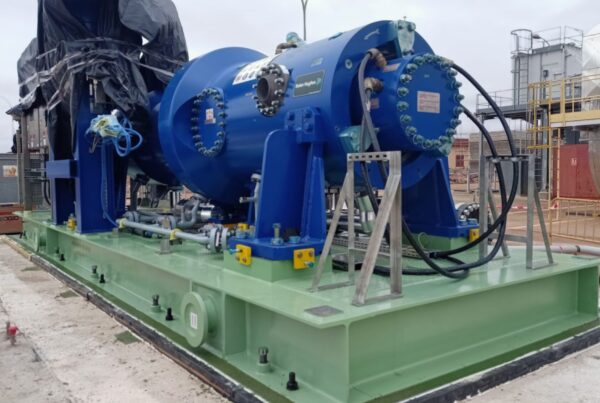
When a compressor, turbine, or pump fails prematurely, maintenance teams examine bearings, seals, and alignment. What they often miss is the deteriorating foundation that created the conditions for failure in the first place.
Foundation problems develop slowly. Small cracks appear. Grout begins to crumble. Equipment shifts by fractions of a millimetre. These changes seem insignificant until excessive vibration destroys bearings years ahead of schedule, or misalignment causes a catastrophic failure during peak production.
Across oil and gas, mining, power generation, and petrochemical operations, deteriorating foundations are the hidden cause behind expensive “equipment failures” that could have been prevented with industrial equipment maintenance strategies.
Why Foundations Need Industrial Equipment Maintenance Strategies
Industrial equipment foundations serve three critical functions:
Load distribution
Properly grouted foundations spread equipment weight evenly across the support structure, preventing stress concentrations that lead to cracks and structural failure.
Vibration dampening
Alignment stability
Foundations maintain precise equipment alignment over decades of operation, preventing the drift that causes premature component wear.
When foundation maintenance is treated as an afterthought, the entire maintenance strategy suffers. Equipment that should last 25 years fails in 10. Preventive maintenance schedules become reactive firefighting. Budgets accommodate emergency repairs instead of planned upgrades.
Warning Signs Your Foundations Need Attention
Maintenance managers should watch for these indicators of foundation deterioration:
- Increasing vibration levels during normal operation, even after balancing and alignment work
- Visible cracks in concrete around equipment bases
- Oil staining from equipment that suggests movement or misalignment
- Recurring bearing failures on equipment that was properly specified and installed
- Difficulty maintaining alignment between connected equipment despite multiple adjustments
These symptoms often appear 10 to 15 years after initial installation, precisely when equipment should be hitting peak reliability. Instead, facilities face mounting maintenance costs and declining performance.
A Practical Approach to Foundation Maintenance
Foundation maintenance requires attention to three areas:
Regular assessment
Visual inspections during planned shutdowns identify deterioration before it causes equipment problems. Maintenance teams can spot cracks, spalling, or grout loss that signal developing issues.
Condition-based intervention
Rather than waiting for failure, facilities can rehabilitate foundations based on observed condition. This prevents the cascade effect where small foundation problems create large equipment failures.
Proper materials
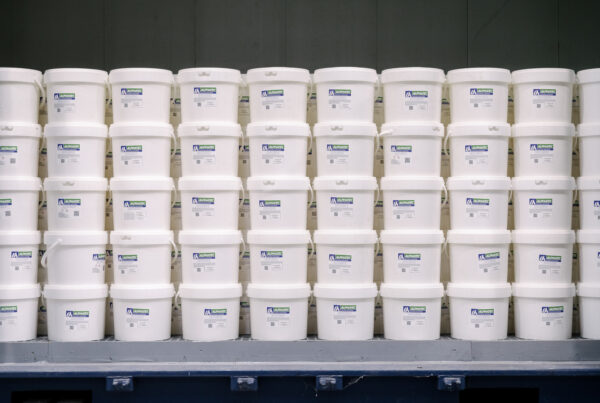
When rehabilitation is needed, using epoxy grout formulations engineered for extreme conditions ensures decades of reliable performance. Products that handle temperatures from -40°C to +80°C with chemical resistance to petroleum products, acids, and alkalis perform where traditional cement grouts fail.
The Cost of Getting It Right
Foundation assessment and rehabilitation typically represents 5 to 10 per cent of equipment replacement cost. Yet it extends equipment lifespan by 15 to 20 years, eliminates recurring maintenance problems, and prevents unplanned shutdowns. And is one of the key industrial equipment maintenance strategies available.
The return on investment becomes clear when compared to emergency equipment replacement during unplanned outages, repeated bearing failures from chronic misalignment, and production losses during extended downtime.
For mining operations dealing with extreme vibration, oil and gas facilities in harsh environments, and power generation plants where reliability is non-negotiable, foundation maintenance is essential.
Making Foundation Assessment one of your key Industrial Equipment Maintenance Strategies
Industrial equipment maintenance strategies that include regular foundation assessment prevent problems rather than reacting to them. Maintenance managers gain visibility into asset condition, can plan rehabilitation during convenient shutdown windows, and avoid the career-impacting failures that come from neglected foundations.
Foundation problems develop gradually, creating conditions for expensive failures that appear to be “equipment problems” but are actually structural issues that proper maintenance would have prevented.
Ready to assess your critical equipment foundations? Request a foundation assessment to identify potential problems before they cause costly failures. Our engineers provide comprehensive evaluation of foundation condition, rehabilitation recommendations, and performance specifications for your specific operating conditions.